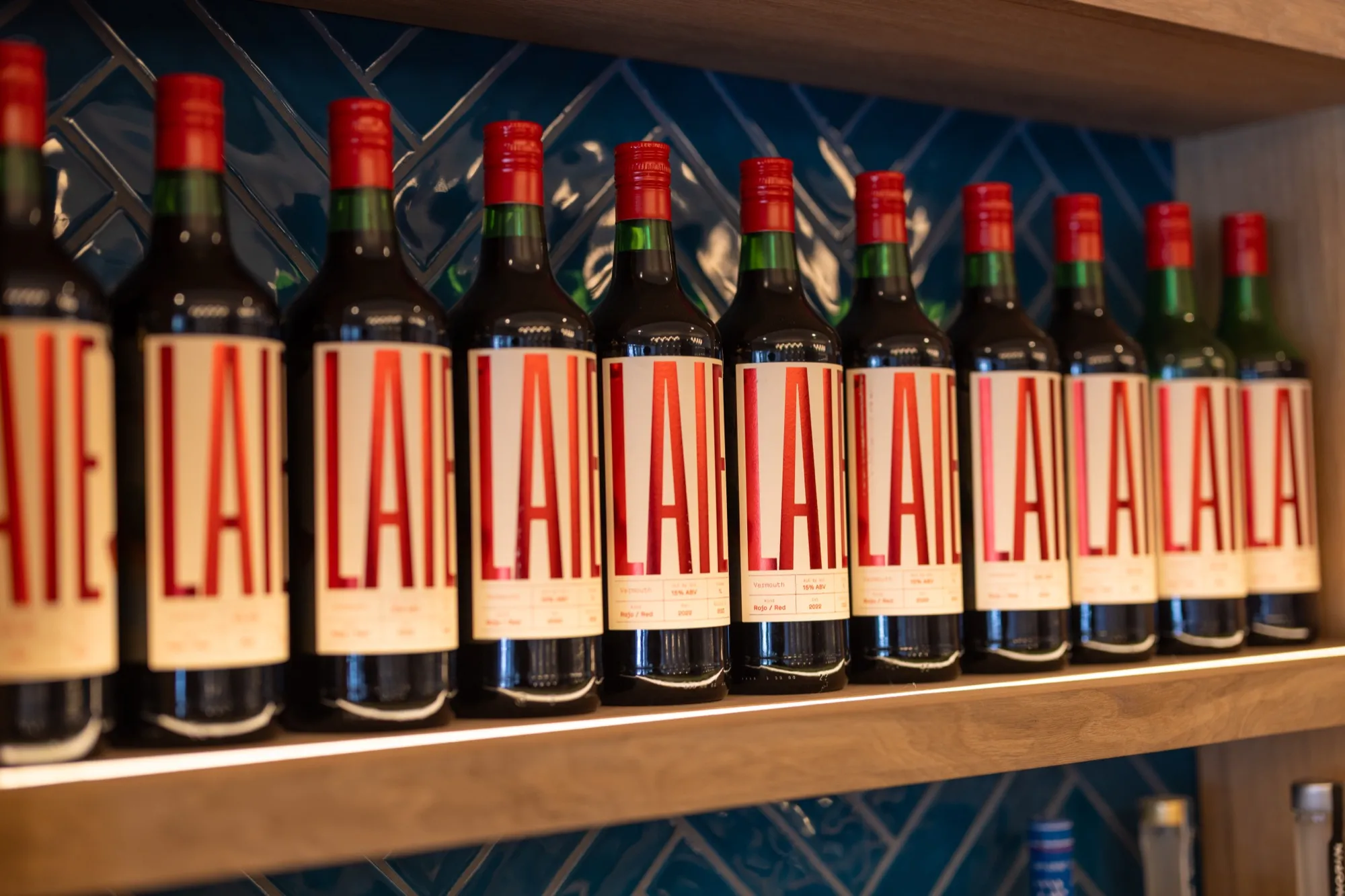
Late morning
The city takes its time
Mass, or the market, or a walk that takes longer than it needs to. Whatever fills a Sunday ends the same way: somebody suggests a stop for a vermut, and nobody argues.
Age Verification
This site is for visitors of legal drinking age. Confirm your date of birth to come in.
Come back when it’s time.
You must be of legal drinking age in your market to view this site.
The ritual
An hour that sits between the end of the morning and the start of lunch, named after what people drink in it. Nobody dresses up. Nobody hurries.
In Catalonia the phrase is fer el vermut (to make the vermut), and it means the whole thing rather than the glass. The catch-up. The table. The hour you gave to it. People say it even when nobody sitting down orders vermut at all.
It usually ends where lunch begins, which in a city that eats at three leaves plenty of room to sit. Even that is more habit than rule.
The arc
Mass, or the market, or a walk that takes longer than it needs to. Whatever fills a Sunday ends the same way: somebody suggests a stop for a vermut, and nobody argues.
Twelve, or near enough. The glasses come out at the counter and the tables outside fill in the order people arrive. It runs long, because the point is the pause between sips and what gets said in it.
Lunch arrives and the table stays where it is. Spain has a word for the stretch after the eating is done and nobody leaves (sobremesa), and the vermut hour is how you get there. Some afternoons it simply keeps going.
The table
Olives, always. Salted chips, which double as the tool for getting cockles out of the tin. Anchovies, a gilda on its skewer, something from the coast opened at the table and passed along it. None of it is cooking. That is the point: the food is there to keep the hour going, not to end it.
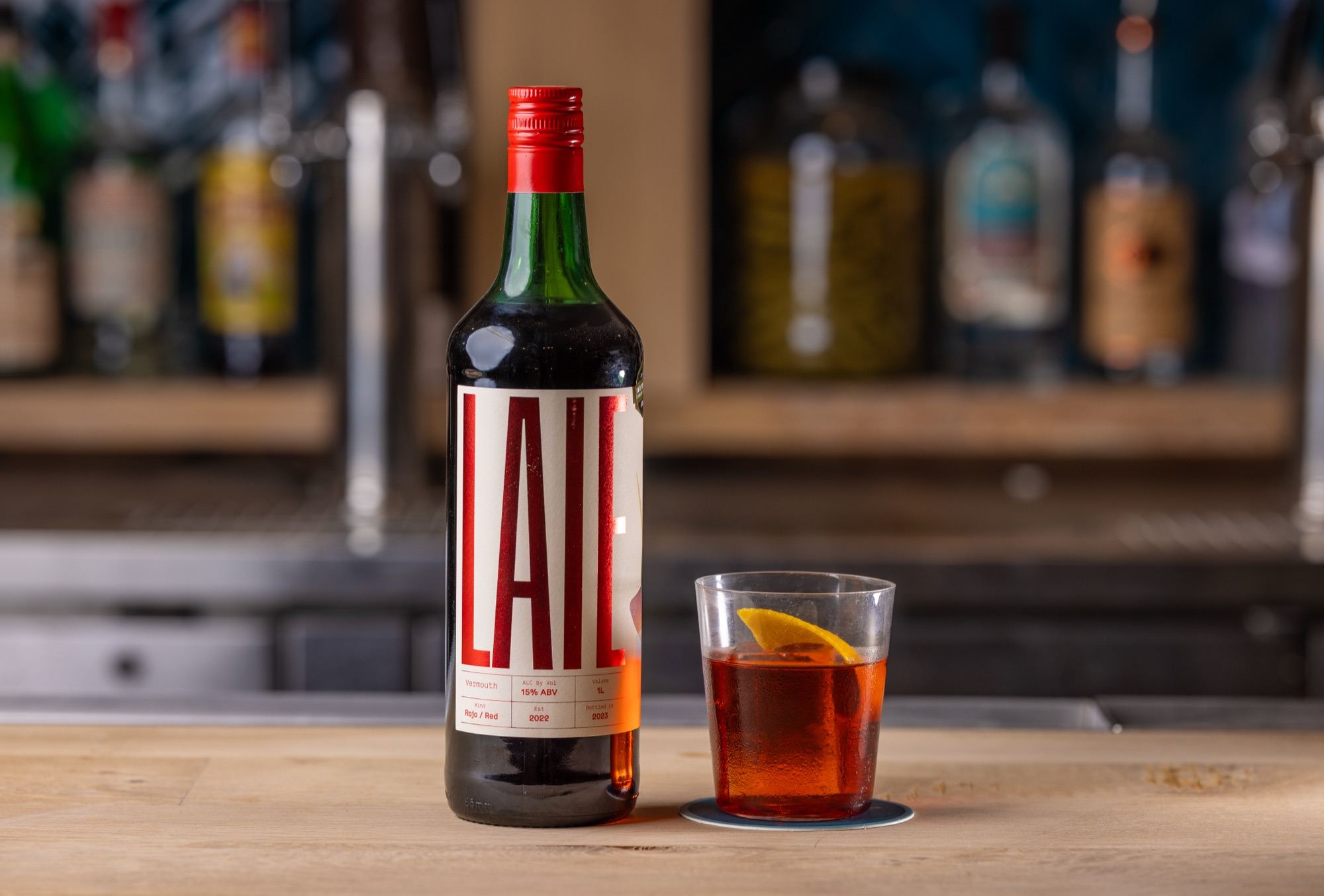
You need less than you think. A wide glass, ice to the top, a slice of orange, an olive if you have one. Open whatever tin is already in the cupboard. Then tell people to come at noon, and mean it.